
Choosing equipment · 6 min read
Battery, LPG or diesel: choosing the power source
Power source is decided by where the machine works and when, not by preference. Indoors and occupied almost always means battery; large open yards and long shifts open the door to engine-driven machines.
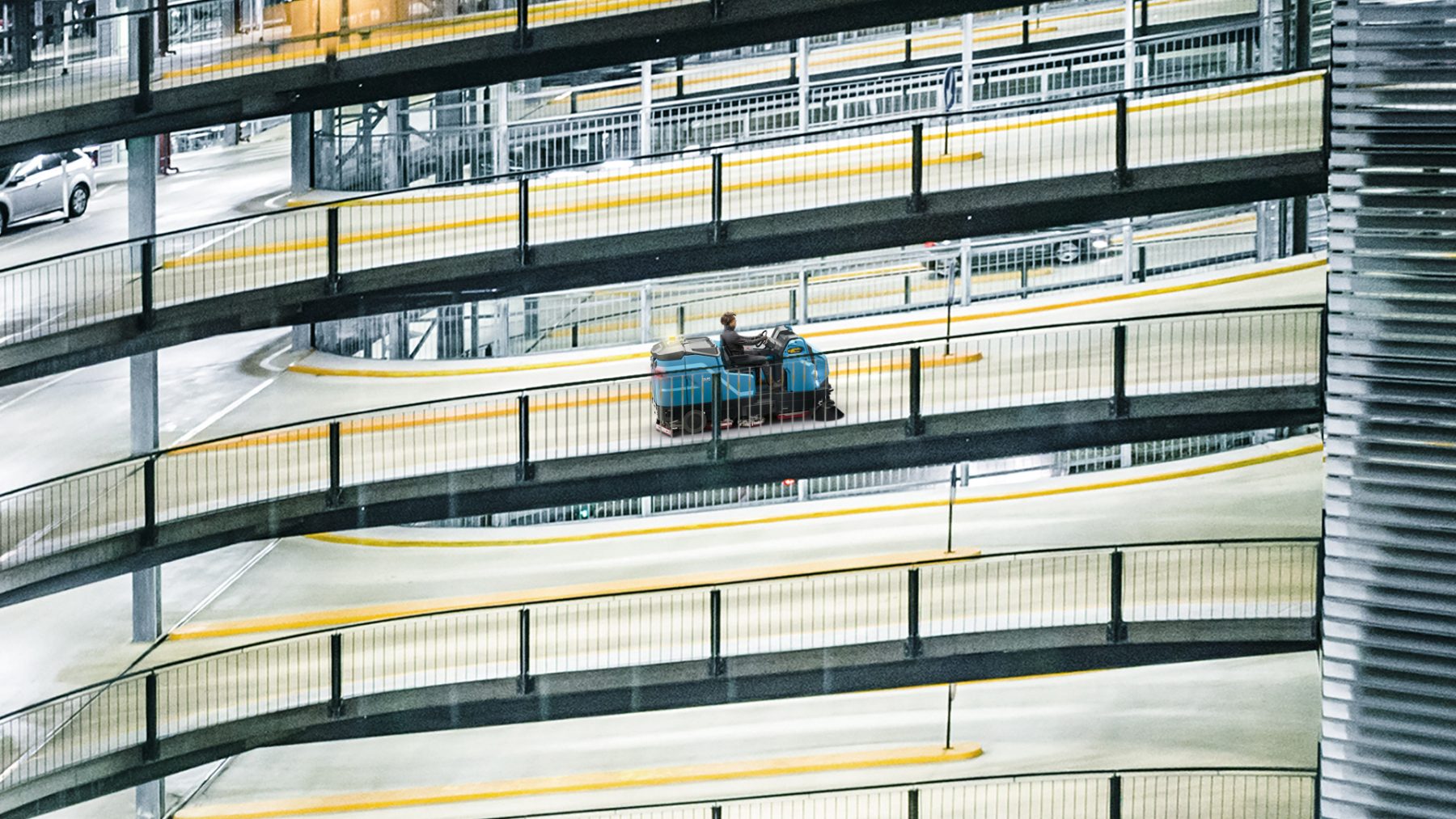
Battery
Battery machines are quiet, emission-free at the point of use and usable anywhere indoors, including occupied buildings during trading hours. That is why they dominate warehousing, retail, food and healthcare work.
The trade-off is run time and charging logistics. You need a charge point, time in the schedule, and honest numbers on how long the machine runs on your duty cycle. Lithium packs tolerate opportunity charging in short breaks; traditional lead-acid batteries prefer full cycles and need ventilated charging.
LPG
LPG offers engine power and long run time — swap a cylinder and keep going — with lower emissions than diesel. It suits large, well-ventilated indoor spaces and outdoor hardstand where a battery machine would not last the shift.
It requires ventilation, cylinder handling and storage arrangements, and is generally unsuitable for food production, healthcare and enclosed occupied areas.
Diesel
Diesel is for outdoor and heavy work: yards, hardstand, construction sites, estate roads and road sweeper trucks. It provides the most sustained power and the longest continuous run time, and copes with rough surfaces and heavy debris.
It is the noisiest and the most restricted option — rarely acceptable indoors, and ruled out for night work near residential boundaries.
| Consideration | Battery | LPG | Diesel |
|---|---|---|---|
| Indoor occupied use | Yes | Ventilated areas only | No |
| Noise | Low | Moderate | High |
| Run time | Limited by pack | Long, cylinder swap | Longest |
| Refuel or recharge | Charge point and time | Cylinder exchange | Fuel on site |
| Best fit | Warehouse, retail, food, health | Large ventilated indoor, hardstand | Yards, civil works, roads |
The question we ask first
The first thing we ask is who else is in the building while the machine runs. If the answer is staff, customers or patients, the conversation is about battery machines and how to fit charging into your schedule. If the answer is nobody, on open ground, the decision moves to run time and debris load.